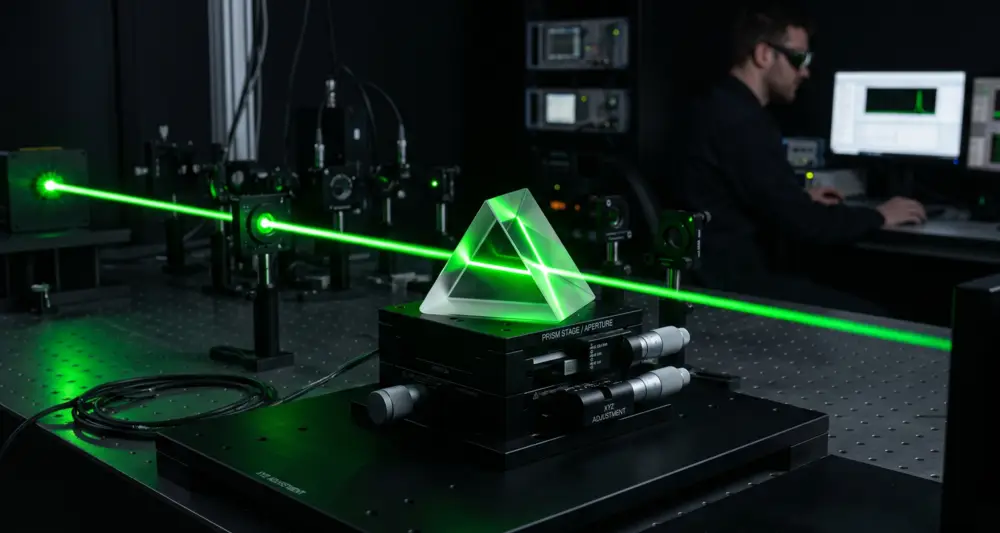







Lifeline of Laser Manufacturing: How a Speck of Dust Can Destroy a High-Power Laser System
That’s where engineered reliability begins: with cleanroom wall panels designed not just for particulate control, but for dimensional stability under thermal cycling, non-outgassing polymer coatings, and seamless, static-dissipative joints.
Laser Systems Demand Zero-Compromise Environments
High-power laser manufacturing—whether for semiconductor lithography, precision cutting, or ultrafast photonics—operates at the edge of physical tolerance. A single 0.5-micron particle landing on an optical cavity mirror or gain medium can trigger thermal runaway, coating delamination, or catastrophic beam distortion. Unlike general industrial cleanrooms, laser system integration zones require ISO Class 5 (Class 100) or stricter conditions—consistently, across all operational phases. That’s where engineered reliability begins: with cleanroom wall panels designed not just for particulate control, but for dimensional stability under thermal cycling, non-outgassing polymer coatings, and seamless, static-dissipative joints.
Modular cleanroom systems must deliver more than speed-to-deploy—they must eliminate hidden contamination pathways. Traditional stick-built walls introduce seams, caulk lines, and substrate inconsistencies that trap moisture and harbor bio-burden. In contrast, certified cleanroom supplier solutions integrate factory-calibrated panel interlocks, embedded grounding strips, and integrated service chases—all validated to meet IEST-RP-CC003.4 and SEMI S2 compliance. The result? A repeatable, auditable environment where laser alignment stays locked—and uptime stays high.
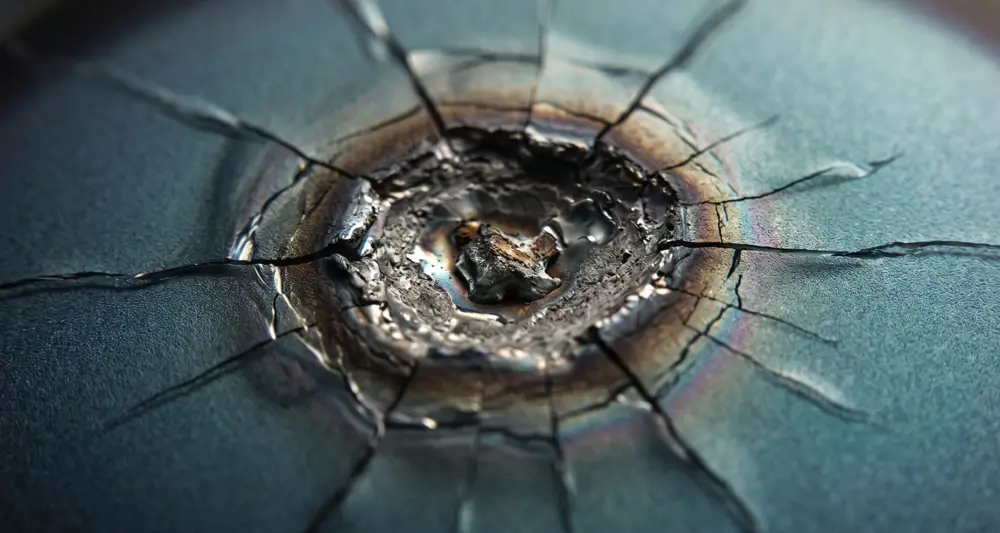
Why Panel Integrity Is the First Line of Defense
It’s not just about how clean the air is—it’s about what the air touches. cleanroom panel surfaces act as passive contamination reservoirs if underspecified. Standard PVC-laminated steel may shed plasticizers over time; aluminum honeycomb cores can corrode in humidified environments; and poorly sealed edges become micro-traps for silica dust generated during nearby wafer handling. Leading cleanroom manufacturer partners now embed real-time particulate sensors into panel framing—and pre-test every batch for surface resistivity (<1×10⁹ Ω/sq) and outgassing (per ASTM E595). These aren’t “nice-to-have” features. They’re prerequisites for maintaining MOPA laser stability over 10,000-hour duty cycles.
When evaluating vendors, look beyond square-meter pricing. Ask for third-party validation of panel flatness (≤0.3 mm/m), fire rating (ASTM E84 Class A), and cleanability (ISO 14644-10 wipe test data). A true cleanroom panel isn’t a commodity—it’s the foundational layer of your laser system’s longevity. Partner with a cleanroom manufacturer who treats wall integrity as mission-critical infrastructure—not just enclosure aesthetics.