






Medical Device Innovation: What Cleanliness Standards Are Required for Precision Manufacturing of Minimally Invasive Surgical Robots?
That’s why Tier-1 OEMs now specify ISO Class 5 (or better) environments with cleanroom wall panels engineered for zero outgassing, seamless joints, and integrated grounding pathways.
Why Surgical Robot Manufacturing Demands Higher Cleanroom Integrity
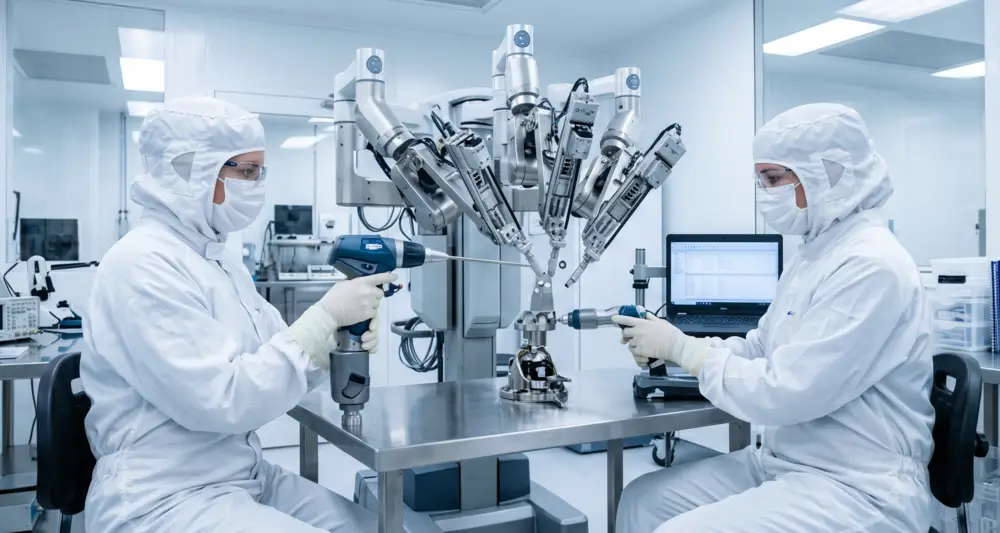
Minimally invasive surgical robots operate at micron-level precision—requiring not just particle control, but absolute structural and environmental stability. Unlike standard medical device assembly, robotic end-effectors, optical tracking systems, and micro-actuators are sensitive to vibration, electrostatic discharge, and even subtle thermal drift. That’s why Tier-1 OEMs now specify ISO Class 5 (or better) environments with cleanroom wall panels engineered for zero outgassing, seamless joints, and integrated grounding pathways. Traditional stick-built cleanrooms often fall short on repeatability and commissioning speed—especially when retrofitting existing facilities. This is where cleanroom supplier expertise becomes decisive: selecting partners who pre-validate panel flatness, gasket compression consistency, and cleanroom ceiling panels’ load-bearing capacity for overhead robotic rails and laminar flow systems.
Modular Lab Buildings: Accelerating Time-to-Production Without Compromise
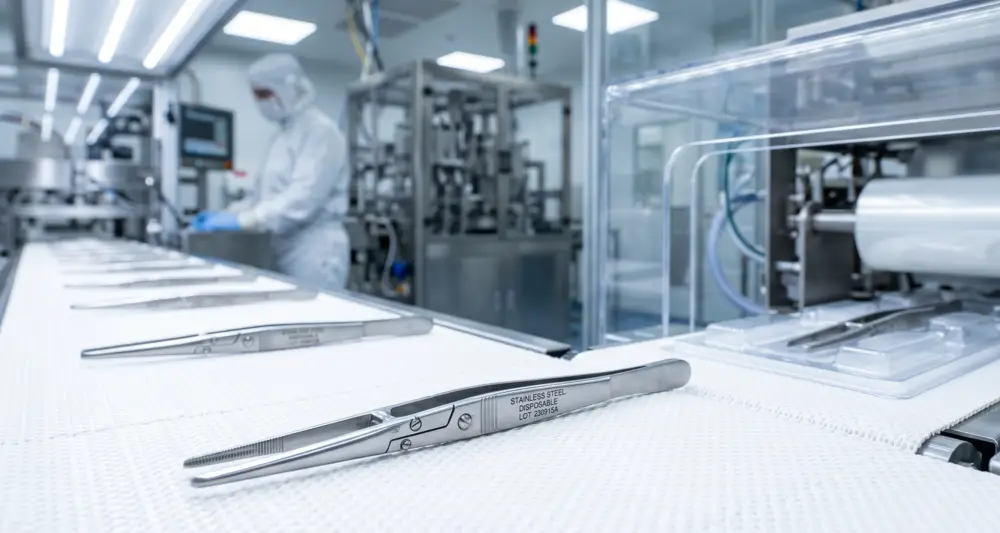
Leading medtech firms are shifting from custom-built cleanrooms to modular laboratory buildings—not as a cost-cutting shortcut, but as a controlled-environment strategy. Factory-assembled modules deliver traceable material certifications, pre-tested HEPA/ULPA integration, and certified airflow uniformity—critical when validating robotic calibration zones or optical alignment bays. These systems use interlocking cleanroom ceiling panels that support both lighting arrays and service drops (compressed air, vacuum, data), eliminating field penetrations that compromise ISO compliance. For engineering teams evaluating vendors, look beyond square-foot pricing: ask for third-party test reports on panel deflection under dynamic loads, fire-rated core composition, and compatibility with cleanroom wall panels from the same system family. Consistency across ceiling, wall, and floor interfaces reduces leak paths—and accelerates qualification by up to 40%.