






High-End Manufacturing of Nutraceuticals:Dust Control Is the Core
That’s why cleanroom ceiling grid system solutions paired with high-performance modular clean room panels are gaining rapid adoption. These pre-engineered wall and ceiling systems cut installation time by up to 40%, reduce on-site labor costs, and deliver repeatable particulate control down to 0.3 µm.
Why Nutraceutical Producers Are Prioritizing Modular Cleanroom Panels
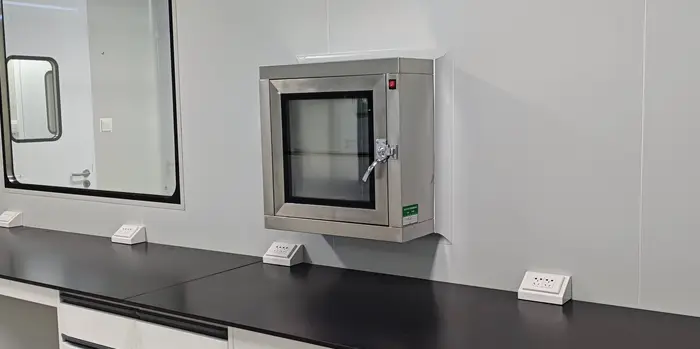
As nutraceutical manufacturing shifts toward stricter GMP compliance and higher batch consistency, engineering teams are reevaluating how they specify cleanroom infrastructure. Unlike traditional pharma-grade facilities, nutraceutical plants often operate under tighter capital budgets and compressed timelines—yet still demand ISO Class 5–8 environments. That’s why cleanroom ceiling grid system solutions paired with high-performance modular clean room panels are gaining rapid adoption. These pre-engineered wall and ceiling systems cut installation time by up to 40%, reduce on-site labor costs, and deliver repeatable particulate control down to 0.3 µm. Leading suppliers now offer cleanroom panel options with NSF-certified surfaces, antimicrobial coatings, and seamless joint detailing—critical for preventing biofilm buildup in humid processing zones. For engineering firms sourcing turnkey solutions, compatibility between wall modules and ceiling support structures is no longer optional—it’s foundational.
FFU Integration Starts at the Grid Level

Effective dust control in nutraceutical cleanrooms hinges not just on filtration—but on how uniformly air flows across the entire process zone. That starts with the ceiling: a robust, load-rated cleanroom T grid ensures precise FFU (Fan Filter Unit) placement, minimizes vibration transfer, and supports future reconfiguration without structural compromise. The FFU T grid isn’t just a mounting frame—it’s the backbone of airflow integrity. When integrated with a modular ceiling system, it enables quick FFU swaps, simplifies maintenance access, and maintains consistent pressure differentials across adjacent rooms. Engineering teams report fewer commissioning delays when specifying cleanroom ceiling grid components that align with industry-standard FFU footprints and electrical interface protocols. For projects where uptime equals yield, choosing a ceiling system designed *for* FFUs—not just *under* them—is the first step toward reliable, long-term dust control.