







Cost-Effective Cleanroom Solutions for Food Processing: Modular Panel Systems That Meet HACCP Standards
Discover how modular cleanroom panel systems can reduce food processing facility construction costs by 20-35% while meeting HACCP, FDA, and EU hygiene standards for food safety.
Food and beverage manufacturers face a dual challenge: maintaining rigorous hygiene standards while keeping production costs competitive. Cleanroom environments in food processing are no longer a luxury reserved for premium products. From dairy filling lines to ready-meal assembly areas, controlled environments are becoming standard practice. The question for project managers is how to build these spaces cost-effectively without compromising the clean room panel material quality that food safety demands.
Why Modular Panel Systems Outperform Traditional Construction for Food Facilities
Traditional masonry and plaster construction introduces moisture, curing delays, and surface irregularities that are problematic in food-grade environments. Modern sandwich panel wall system solutions address all these issues with factory-finished surfaces that are ready for food production from day one. The steel or HPL facing on sandwich panels provides a non-porous, chemical-resistant surface that withstands aggressive cleaning regimes.
Cost savings begin with the foundation. Sandwich panels are significantly lighter than masonry walls, reducing structural load requirements and allowing simpler, less expensive floor slabs. For retrofit projects in existing food factories, this weight advantage means panels can often be installed without reinforcing the existing structure.
The clean room construction materials used in modular panel systems are designed for rapid installation with minimal disruption to adjacent production areas. Cam-lock joining systems allow panels to be connected without wet trades, eliminating the dust, moisture, and curing time associated with traditional construction. A typical 500 square meter food processing cleanroom can be enclosed in two to three weeks using modular panels.
Meeting HACCP and FDA Requirements with the Right Panel Specifications
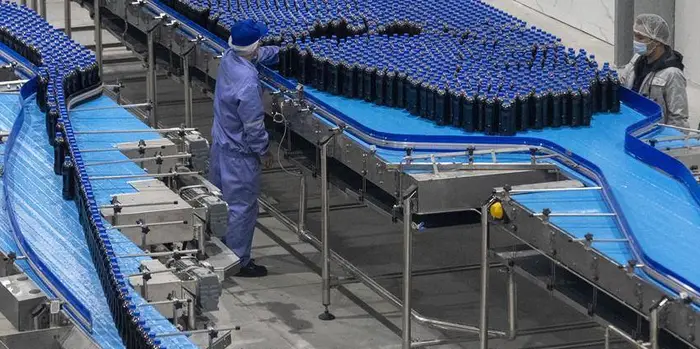
HACCP compliance in food cleanrooms centers on four principles: preventing biological contamination, controlling chemical hazards, eliminating physical contaminants, and enabling effective cleaning. The panel specification must support all four. Smooth, non-absorbent surfaces prevent bacterial harborage. Coved junctions between wall panels and floors eliminate dirt traps. Sealed penetrations for services prevent pest ingress.
For facilities producing organic or allergen-free products, panel systems offer the additional benefit of dedicated zoning. Different production areas can be physically separated with different panel color coding, reducing the risk of cross-contamination between allergen and non-allergen lines. This visual management approach is increasingly expected by food safety auditors.
Fire rating requirements in food factories should not be overlooked. While many food processing areas are classified as low fire risk, packaging areas with cardboard and plastic materials may require panels with specific fire ratings. Rock wool core sandwich panels provide excellent fire performance while maintaining the hygienic surface qualities that food production demands.
Total Cost of Ownership: Looking Beyond Initial Installation
The true cost comparison between modular panels and traditional construction must account for the full lifecycle. Modular panels require minimal maintenance. Damaged sections can be individually replaced without shutting down entire production areas. Surface coatings on quality panels maintain their integrity for 15 to 20 years even under daily chemical cleaning.
Energy costs represent another significant lifecycle consideration. Insulated sandwich panels with PIR or rock wool cores deliver thermal performance that reduces heating and cooling loads. In cold rooms and chilled processing areas, this insulation value directly translates into lower electricity bills and reduced carbon footprint.
Flexibility is perhaps the most undervalued cost factor. Food manufacturers regularly reconfigure production lines to meet changing demand. Modular panel systems can be disassembled and reconfigured with minimal waste, unlike traditional walls that must be demolished and rebuilt. This adaptability protects your initial investment against the inevitable changes that food production demands.
