







Food Safety Compliance in Cleanroom Processing: Choosing Wall Panels That Meet HACCP and ISO 22000 Requirements
How food processors can select cleanroom wall panels that meet HACCP and ISO 22000 standards while maintaining hygiene, durability, and ease of cleaning.
Food safety regulations continue to tighten globally, and cleanroom environments play an increasingly important role in modern food processing operations. For engineering contractors building facilities that must meet HACCP, ISO 22000, and local food safety standards, the selection of clean room wall panels is a foundational decision that affects both regulatory compliance and long-term operational hygiene.
Food Safety Standards and Their Impact on Cleanroom Design
HACCP principles require that food processing environments be designed to prevent contamination, facilitate cleaning, and avoid harborage points for pathogens. These requirements translate directly into specifications for wall and ceiling surfaces. The cleanroom wall panels you specify must have smooth, non-porous surfaces that resist moisture absorption, tolerate frequent washdowns with caustic cleaning agents, and maintain their integrity under temperature extremes common in food processing.
ISO 22000 adds requirements for documented food safety management systems that extend to the building fabric itself. Panel materials must be traceable, certified for food contact where applicable, and installed in ways that can be verified and audited. Working with sandwich panel wall system who understand these regulatory frameworks ensures that your documentation package satisfies auditors from the very first surveillance audit.
Panel Material Choices for Hygienic Food Processing Environments
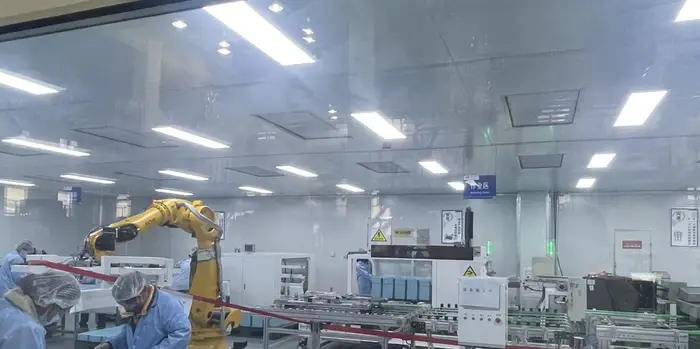
The clean room panel wall system has become the preferred solution for food processing cleanrooms because it combines a smooth, cleanable surface with insulated core construction that supports temperature-controlled environments. The key is selecting the right face material for the specific food processing application. Stainless steel offers maximum durability and chemical resistance for heavy washdown areas, while coated steel or fiberglass faces provide cost-effective alternatives for lighter-duty zones.
Joint design is where food safety compliance is won or lost. Flush joints with food-grade sealant create continuous surfaces that prevent bacterial harborage. Coved corners and sealed ceiling intersections eliminate the right-angle joints where moisture and debris accumulate. The food grade cleanroom panels approach to food cleanroom construction emphasizes these hygienic details at every junction, creating an environment that passes ATP swab testing consistently.
Practical Implementation for Food Processing Projects
For project managers, the critical success factor in food cleanroom construction is engaging with regulators early. Present your panel specifications and installation details to the food safety auditor during the design phase to confirm compliance before construction begins. This proactive approach prevents costly modifications after installation and demonstrates the due diligence that auditors appreciate.
Consider the operational lifecycle when specifying Food and Beverage cleanroom panels. Panels in cold storage areas need different insulation properties than those in cooking zones. Washdown areas benefit from stainless steel faces, while packaging halls may perform perfectly well with coated steel. Zoning your panel specifications by operational area optimizes both the initial budget and the long-term maintenance program. Smart clean room panels for green energy manufacturers sourcing from suppliers who offer multiple face material options gives you the flexibility to match each panel to its specific application.
Food safety compliance in cleanroom processing starts with the right building materials. By selecting wall panel systems designed for hygienic environments and paying attention to the details that matter to food safety auditors, project managers can deliver food processing facilities that meet the highest standards of cleanliness and regulatory compliance.
