







Iraq Containerized Cleanroom
The exterior utilizes an ISO-certified steel container with anti-slip and anti-corrosion coatings. The interior is fully lined with high-standard cleanroom wall panel systems, and the roof is equipped with structurally robust cleanroom ceiling panel modules.
I. Project Overview
This project features a fully customized containerized petrochemical laboratory designed specifically for the harsh oilfield environments in Iraq. Covering a total area of 24 square meters, it utilizes a standardized ISO steel container that has been deeply engineered into a highly controlled cleanroom environment. As an experienced cleanroom manufacturer and a trusted cleanroom supplier, we delivered an end-to-end solution combining a high-strength structural shell with a precision-controlled interior. This portable laboratory features exceptional waterproof and anti-corrosion properties, ensuring 24/7 continuous and safe operation even in extreme conditions with high hydrogen sulfide (H₂S) exposure.
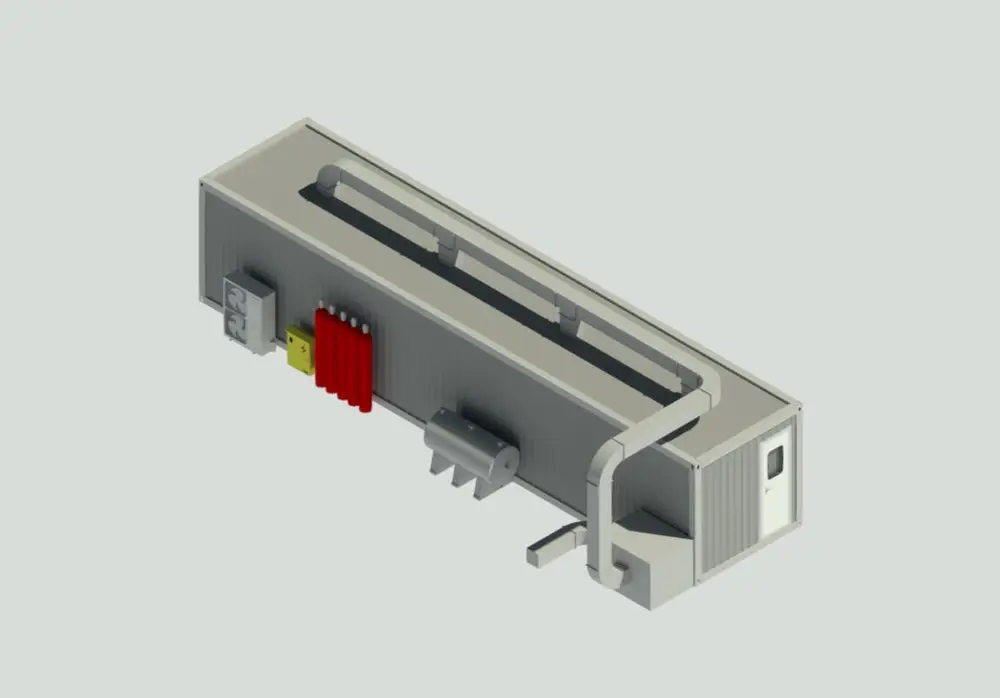
II. Design Standards & Parameters
Given the high-risk nature and precision requirements of petrochemical crude oil analysis, the environmental and equipment standards of this project strictly align with top-tier international regulations:
- Quality System Certification: The overall laboratory environment is designed in compliance with the ISO/IEC 17025 standard for testing and calibration laboratories.
- Explosion-Proof Safety: Specifically engineered for hazardous areas (Zone 1 or Zone 2), all internal electrical components and core analytical equipment strictly adhere to ATEX/IECEx international explosion-proof standards.
- Temperature & Humidity Control: The core workspace temperature is precisely maintained between 20-25℃, with relative humidity controlled at 40-70% RH, ensuring the stable operation of precision instruments and the absolute accuracy of test data.
III. Core System Configuration
To adapt to the extreme climate and high-risk operational demands in Iraq, we implemented premium designs for the architectural enclosure, HVAC, and environmental systems:

- Architectural Enclosure: The exterior utilizes an ISO-certified steel container with anti-slip and anti-corrosion coatings. The interior is fully lined with high-standard cleanroom wall panel systems, and the roof is equipped with structurally robust cleanroom ceiling panel modules. These modular panels not only provide excellent polyurethane thermal insulation but also guarantee superior airtightness, anti-static properties, and ease of cleaning.
- HVAC System: Equipped with industrial-grade split or packaged air conditioning units, featuring a wide temperature design that allows flexible temperature regulation between 18–28℃.
- Professional Ventilation: The system guarantees a minimum of 12–15 Air Changes per Hour (ACH), rapidly exhausting volatile hazardous gases generated during crude oil analysis and sample processing.
IV. Construction Highlights & Advantages
As a highly integrated portable mobile laboratory, this project sets an industry benchmark in life safety and emergency response mechanisms:
- Comprehensive Gas Monitoring & Fire Linkage: The interior integrates highly sensitive fire alarms and multiple gas detection systems (real-time monitoring of H₂S, CH₄, and CO concentrations). It is also equipped with sufficient portable fire extinguishers (CO₂ and dry powder) to eliminate risks at the source.
- Industrial Explosion-Proof Lighting: The entire room utilizes ATEX/IECEx compliant explosion-proof LED lighting fixtures, completely eradicating the risk of explosions caused by electrical sparks.
- Life Safety Assurance: Emergency eyewash and safety shower stations are strategically positioned within the laboratory. Additionally, emergency escape hatches or backup exit doors are designed at critical locations to provide the highest level of physical safety for laboratory personnel.
- High Mobility & Plug-and-Play: The containerized design drastically reduces civil construction and installation time at the Iraq site. The entire unit is prefabricated and assembled in the factory; upon arrival at the oilfield, it can be immediately put into operation simply by connecting to local utilities.
