







Meeting Tier III and IV Standards: Cleanroom Panel Compliance for Data Center Construction Projects
A comprehensive guide to cleanroom panel requirements for data center construction, covering fire ratings, air tightness, and modular solutions that meet Uptime Institute Tier standards.
Data centers are the backbone of the digital economy, and their construction standards continue to tighten. The Uptime Institute's Tier classifications demand not only redundant power and cooling but also controlled environments for sensitive electronic equipment. Cleanroom-grade panel systems are increasingly specified in data center construction to meet these requirements. Understanding the compliance landscape for Data center panel systems is essential for engineering contractors bidding on these high-value projects.
Fire Rating Requirements: The Non-Negotiable Compliance Factor
Fire safety is the single most critical compliance factor in data center construction. A fire event in a server hall can cause billions in equipment damage and service disruption. Panel systems used in data center environments must meet stringent fire ratings, typically a minimum of REI 60 for wall assemblies and REI 30 for ceiling systems. Rock wool core panels have become the default choice for these applications due to their non-combustible classification.
The Data center wall panel specification must also address smoke generation. In occupied data center spaces where personnel work on live equipment, low smoke emission panel materials are required to maintain visibility during evacuation. Panels with steel faces and mineral wool cores produce negligible smoke when exposed to fire conditions, meeting the most stringent smoke density requirements.
Insurance requirements often exceed building code minimums for data centers. FM Global and other industrial insurers may require panel systems with specific fire test certifications beyond local building code requirements. Early engagement with the project insurer during the design phase prevents specification surprises that could delay procurement.
Air Tightness and Contamination Control for Server Environments
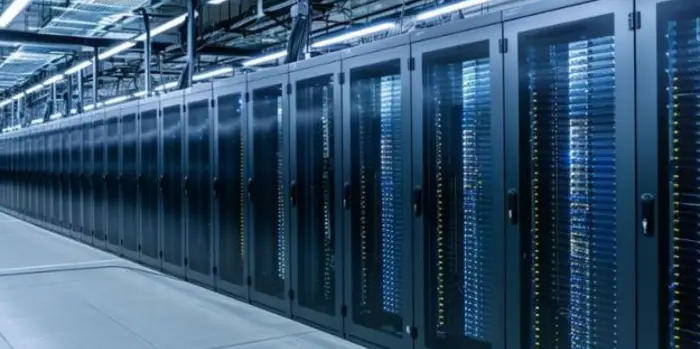
Modern data centers require controlled particulate environments to protect server electronics from contamination that can cause short circuits and corrosion. The ISA S71.04 standard defines environmental conditions for electronic equipment, and achieving these conditions requires clean room partition panels with excellent air tightness characteristics.
Panel joint design is critical for air tightness. Cam-lock systems with integrated gaskets provide consistent sealing across all joints. For the highest tier data centers, secondary sealing with cleanroom-grade silicone at panel-to-floor and panel-to-ceiling junctions ensures that no unfiltered air can bypass the HVAC filtration system.
The ceiling system in a data center must support not only lighting and air distribution but also cable containment for the massive infrastructure of power and data connections. Modular ceiling panel systems designed for data center applications integrate cable tray mounting points directly into the ceiling grid, eliminating the need for separate support structures and maintaining the integrity of the contamination barrier.
Modular Construction for Scalable Data Center Deployment
The hyperscale data center trend demands construction approaches that can scale rapidly. Modular panel systems enable a building-block approach where server halls are constructed in phases, each phase using standardized panel specifications. This standardization simplifies procurement, reduces design costs for each expansion phase, and creates a consistent quality baseline across the entire campus.
Prefabrication of complete modular units, including panels, ceiling, lighting, and even cooling distribution, is pushing data center construction further into the manufacturing domain. These prefabricated modules can be tested and commissioned in factory conditions before shipping to site, dramatically reducing on-site construction time and commissioning risk.
For engineering contractors entering the data center market, developing expertise in modular data center construction with cleanroom-grade panel systems represents a significant competitive advantage. The combination of fire compliance knowledge, air tightness detailing, and modular construction methodology positions firms to win contracts in this rapidly growing sector where quality and speed are equally valued.
