







mobile lab box Innovation Shaping the Future of Semiconductor Manufacturing
Innovation in portable cleanroom enclosures and mobile cleanrooms is shaping the next generation of Semiconductor Manufacturing facilities.
Mobile Lab Box Innovation Is Changing How Semiconductor Teams Add Support Space
The latest generation of mobile lab box products looks very different from the shipping-container conversions that defined the category a decade ago. Manufacturers now build these units with integrated HEPA filtration, sealed utility penetrations, and finish materials that match the cleanliness performance of permanent laboratory construction, all while keeping the unit fully relocatable.
That combination of performance and mobility is what makes a portable clean room box attractive for semiconductor support functions such as metrology, incoming inspection, or overflow test space. Rather than committing capital to a permanent addition, facility teams can deploy a unit exactly where it is needed and relocate it as production priorities shift.
Innovation in this space is also showing up in how units are sold and financed. Facilities researching a mobile laboratory for sale today will find more configurable options than in the past, including:
- Modular interior layouts that can be reconfigured without structural changes
- Pre-integrated utility connections sized for common lab equipment loads
- Stackable and linkable units for facilities that expect to scale over time
- Shorter lead times thanks to standardized factory production lines
What to Verify Before Deploying a Mobile or Portable Unit
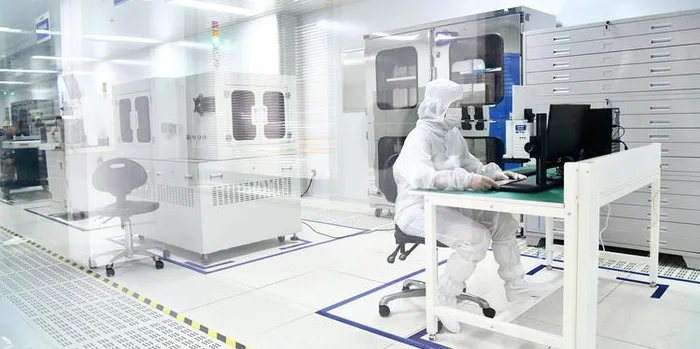
Even with these advances, due diligence still matters. Facility engineers should confirm that a portable clean room box meets the specific particle classification required for its intended use, since general industrial mobile units are not automatically suitable for semiconductor-grade applications.
Transfer and access points deserve particular attention. A mobile modular cleanroom pass box integrated at the unit's entry point helps maintain classification during material transfer, and should be specified alongside the main unit rather than retrofitted afterward.
As these units continue to close the performance gap with permanent construction, semiconductor facilities gain a genuinely flexible option for adding qualified space quickly, without the schedule and capital commitment of a traditional build.
