







Cleanroom Other products
Steel Chemistry Lab Furniture
The laboratory table is the main component of the laboratory furniture, the main functional area of the laboratory, and the main working position of the laboratory personnel. Its quality and durability may directly affect the state of laboratory operations...
Request a Free Quote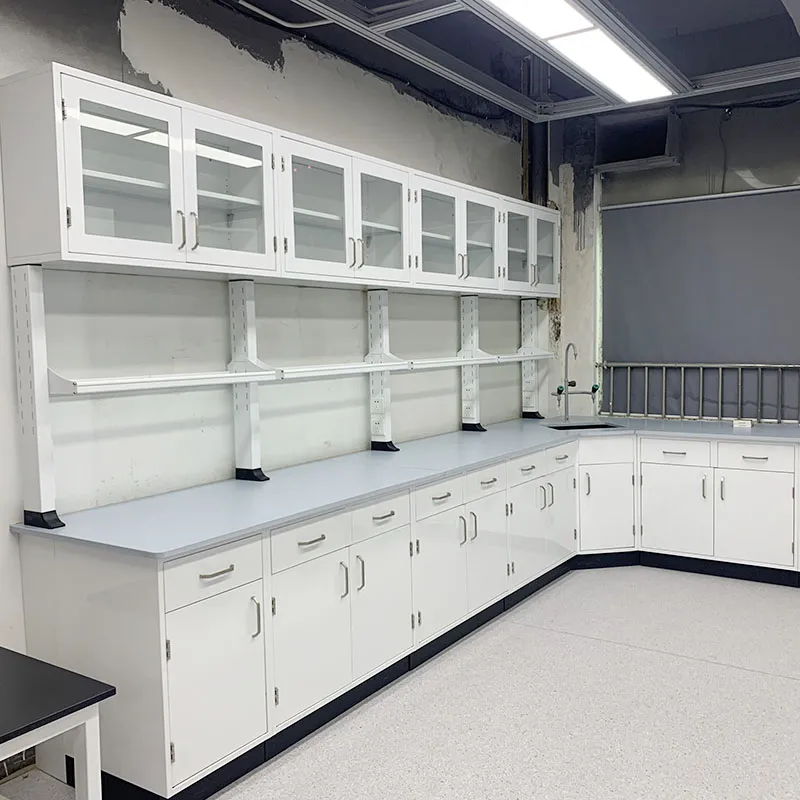
Steel Chemistry Lab Furniture: Durable Benches & Cabinets for Labs
The steel chemistry lab furniture range — chemistry lab benches, tables and cabinets — forms the main working area of the laboratory, where quality and durability directly affect daily operations. Epoxy-coated steel frames and chemical-resistant worktops withstand reagents, heat and constant wash-down.
It is part of our laboratory fit-out alongside the laboratory cabinet and stainless steel laboratory tables with sink ranges, supplied within our Malaysia prefabricated cleanrooms programme.
Steel Chemistry Lab Furniture Specifications
Standard configuration for the Wonclean steel chemistry lab furniture. Frame, worktop and modules are all customizable to project and cleanroom classification requirements.
| Frame material | Electropolished 316L stainless steel (ASTM A240) |
|---|---|
| Work surface | 25 mm phenolic resin (HPL) or 30 mm epoxy resin |
| Load capacity | 250 kg/m² distributed; 120 kg point load |
| Height range | 720–880 mm (motorized / manual) |
| Surface finish | Matte, Ra ≤ 0.8 µm |
| Chemical resistance | ASTM D543 (HCl, NaOH, IPA, H₂O₂) |
| ESD compliance | 1×10⁶ – 1×10⁹ Ω/sq (EN 61340-5-1) |
| Seals & fasteners | FDA-grade EPDM gaskets, Torx stainless fasteners (zero silicone/PVC) |
| Modularity | 600 / 1200 / 1800 mm cleanroom-width coordination |
| Options | NSF-certified stainless sink, integrated cable management |
Values shown are standard/representative configurations. Confirm final certified figures (chemical resistance, ESD) against the project datasheet before specification — Wonclean issues a stamped datasheet with every quotation.
Steel Chemistry Lab Furniture Construction
An all-316L electropolished frame is the engineering secret. Chemical-resistant phenolic or epoxy worktops sit on a non-shedding stainless structure with FDA-grade EPDM seals and zero silicone or PVC — coordinating with standard cleanroom widths and ceiling-panel infrastructure.
Why Choose Our Steel Chemistry Lab Furniture
Chemical durability
ASTM D543 resistance to HCl, NaOH, IPA and hydrogen peroxide for aggressive lab work.
Hygienic 316L surface
Electropolished 316L (Ra ≤ 0.8 µm) is non-shedding and easy to decontaminate.
ESD-safe option
Surface resistivity 10⁶–10⁹ Ω/sq protects sensitive electronics per EN 61340-5-1.
Heavy load capacity
250 kg/m² distributed and 120 kg point load support heavy instruments.
Contamination-free build
FDA-grade EPDM seals with zero silicone or PVC components for clean processes.
Modular coordination
Coordinates with 600/1200/1800 mm cleanroom widths and ceiling-panel infrastructure.
Steel Chemistry Lab Furniture Applications
Specified as cleanroom-grade laboratory furniture across regulated and high-precision industries. See real cleanroom project case studies or browse the full cleanroom product range.
Get a project-specific quote in 24 hours
Send your cleanroom classification, floor area and finish requirements. Our Malaysia-based engineering team replies with a stamped datasheet, fire certificate and pricing — 7×24 technical support by email, phone or WhatsApp.
Request a Free Quote Chat on WhatsAppWhere should air showers be installed in a cleanroom?
Install between changing rooms and clean areas, or between ISO 8/ISO 7 classified areas and unclean areas. Personnel pass through after changing into cleanroom clothing but before entering the controlled environment
What is involved in the construction of a modular cleanroom?
To assemble laboratory spaces efficiently, modular components are preferred. An assembled cleanroom utilizes prefabricated sections to reduce on-site construction time. The underlying aluminum profile system provides the necessary framework for mounting panels and doors, ensuring precision alignment and structural rigidity throughout the facility.
What are the key considerations for air shower design?
Selecting the right air shower requires careful planning. Proper air shower design ensures effective personnel decontamination before entering controlled environments. Specifications depend on room size. Consulting an experienced air shower manufacturer helps determine optimal placement. Compliance with standards is essential. Regular maintenance schedules must be established to sustain performance over time.
What defines quality in clean room door systems?
Sealing integrity is vital. air tight sliding clean room doors prevent pollutants from entering. Each air tight sliding cleanroom door must meet pressure ratings. Reputable air tight sliding cleanroom door manufacturers provide leakage certification. Automatic mechanisms reduce human contact risks. Material selection prioritizes durability and ease of cleaning to meet hygiene protocols. Installation requires precise alignment.
